

ABOUT
The vision behind Johnny’s Way and the Rhubodach forest project comes from the Bute family, particularly Johnny’s wife Serena Bute and his daughter Cathleen Crichton-Stuart.
Johnny’s Way is a collaborative project between the Bute family and the Cardozo Kindersley Workshop. Dedicated to Johnny Bute the trail directly reflects Johnny’s love of nature, art and craftsmanship.
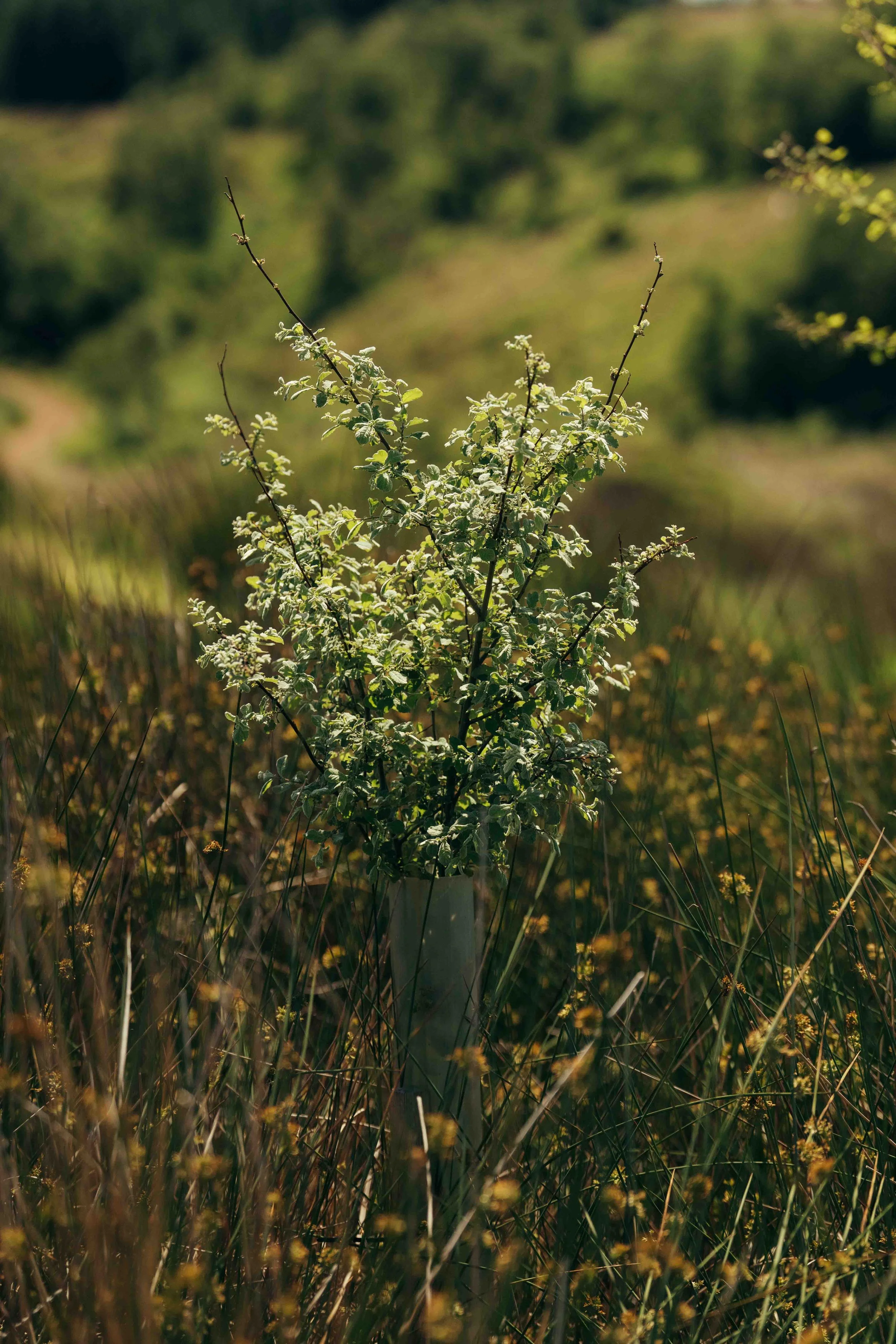
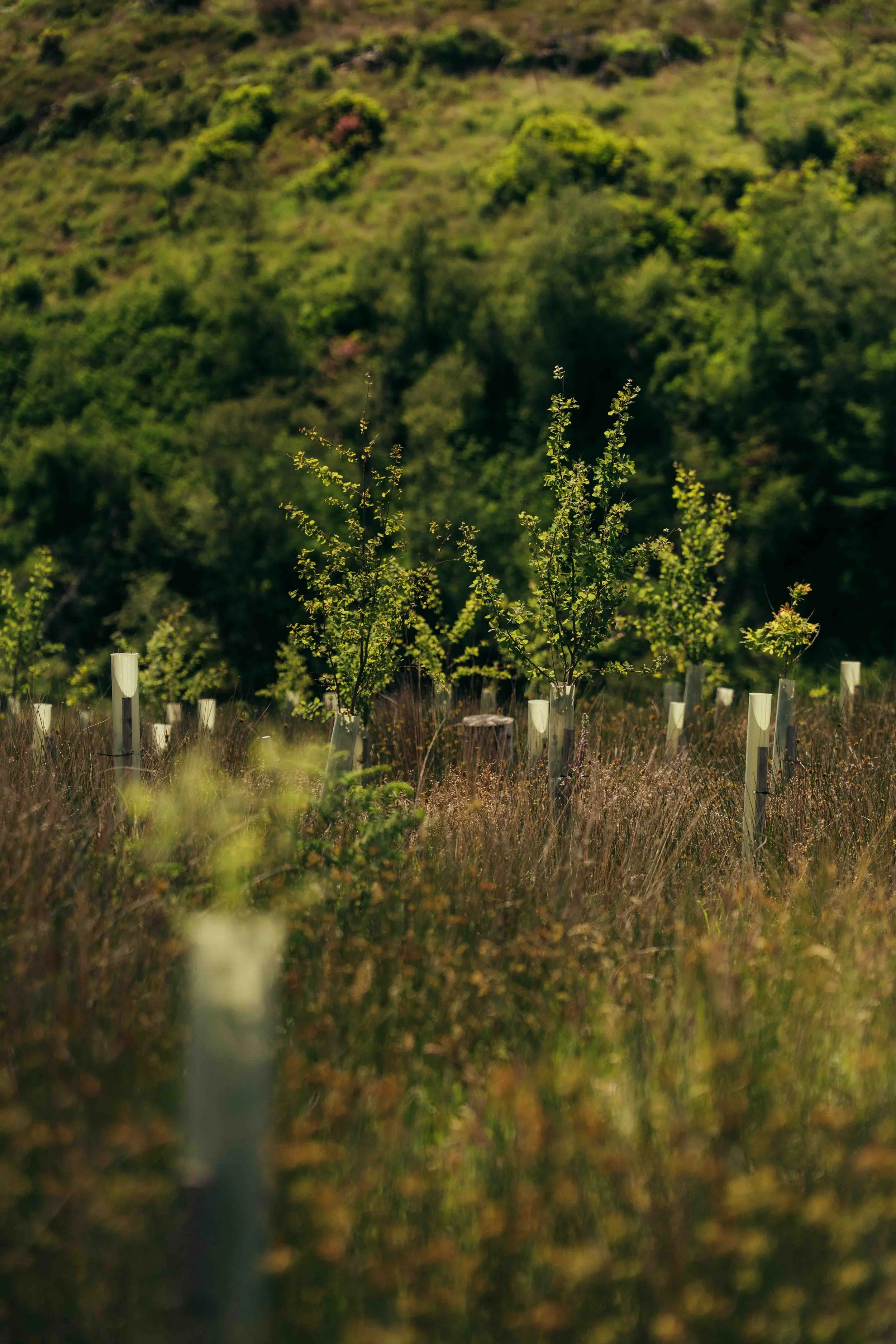
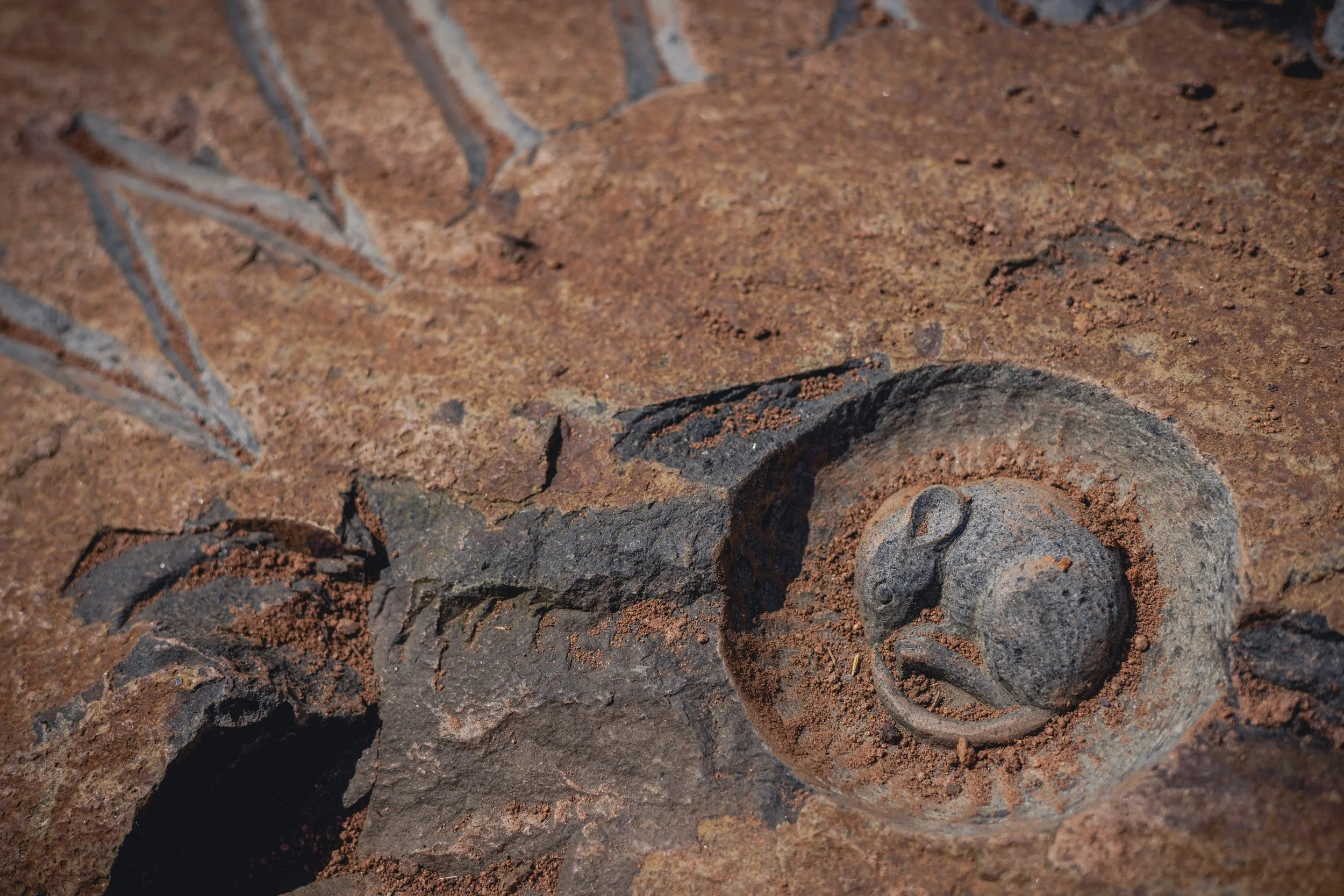
Initial inspiration came from carvings discovered at Mount Stuart, illustrating Aesop's Fables. The concept is to reveal hidden creatures amongst the trees at Rhubodach, using the variety of stones available from the geologically diverse Isle of Bute. Lida Lopes Cardozo Kindersley, then discovered that Scotland has its own fables by Robert Henryson.
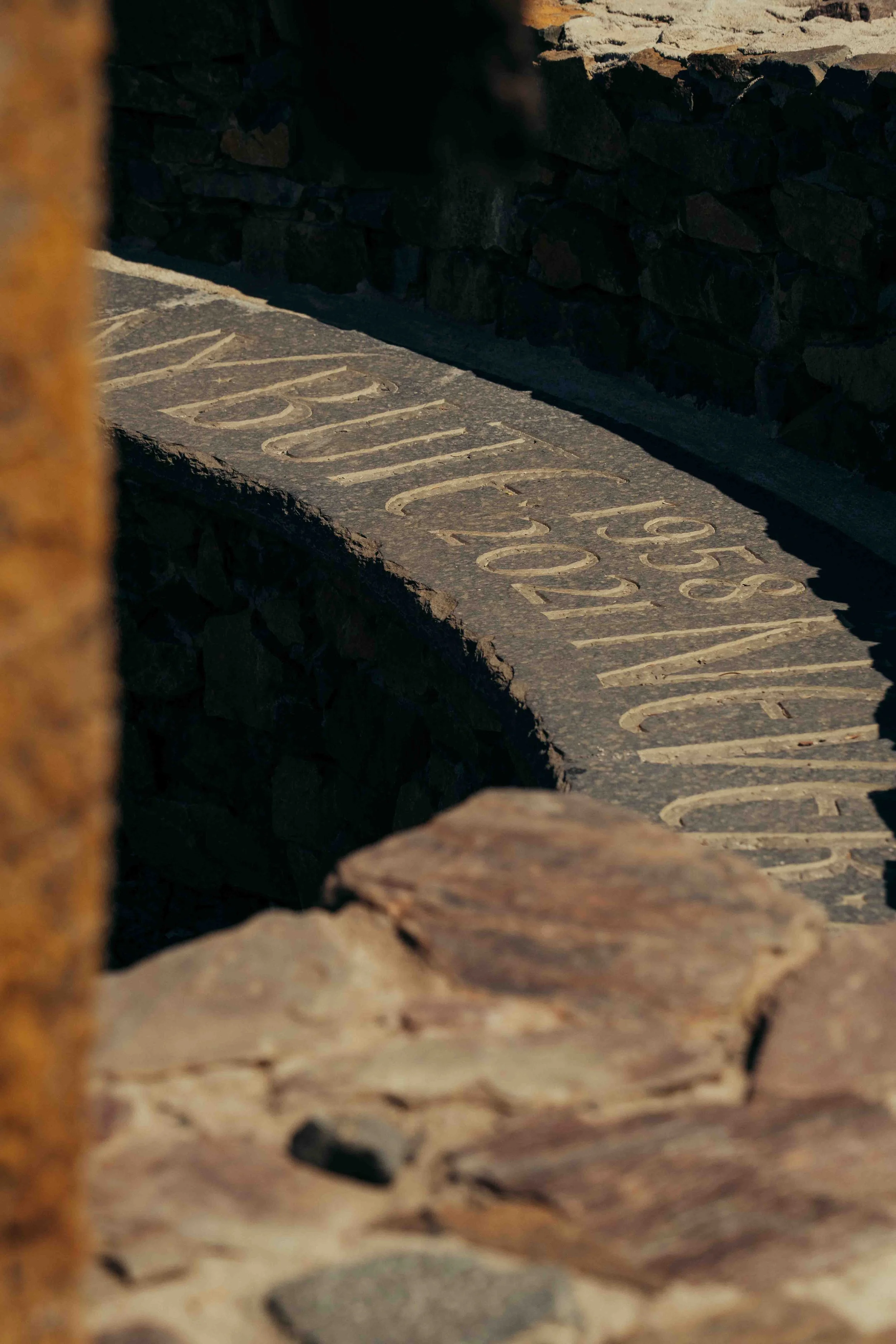
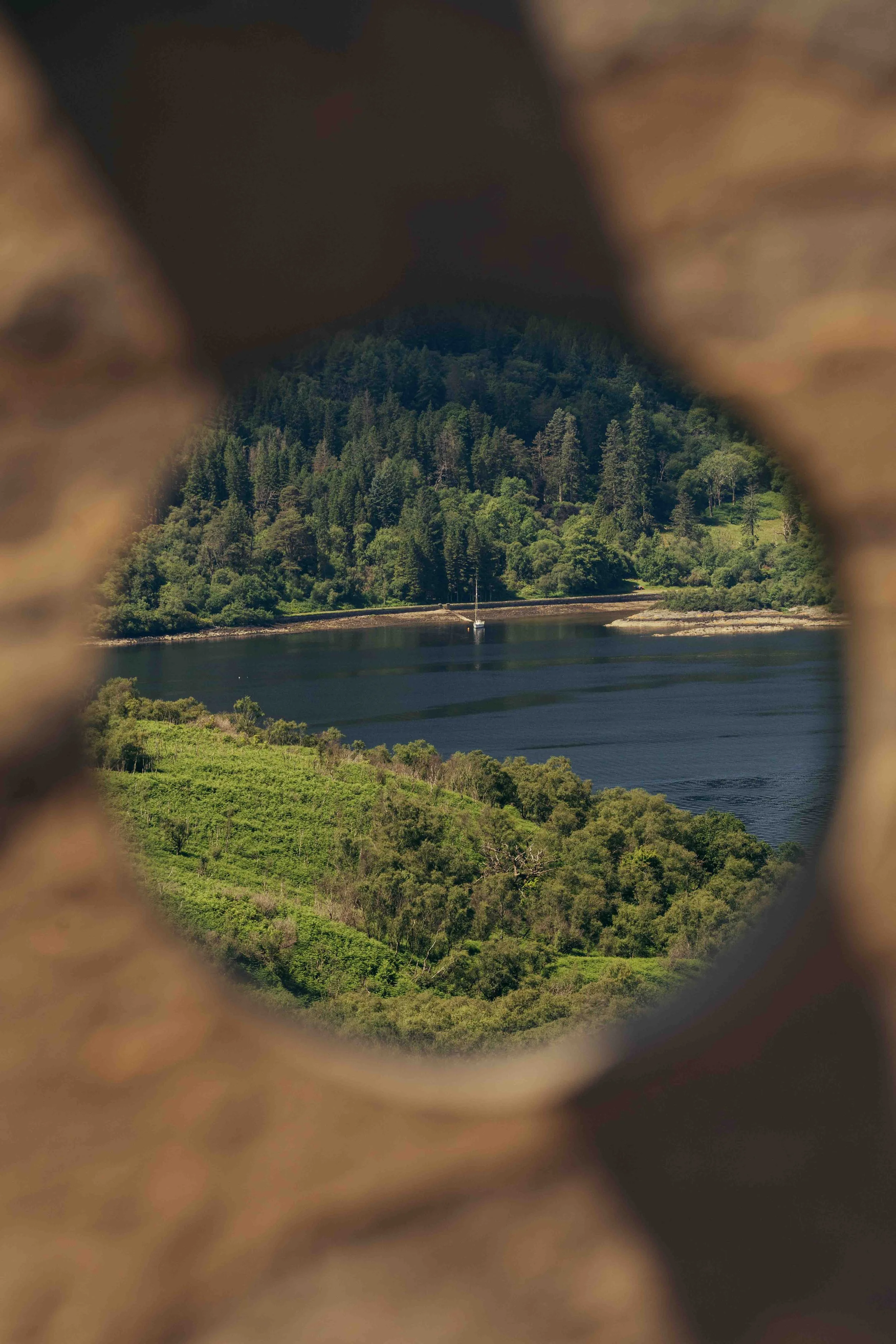
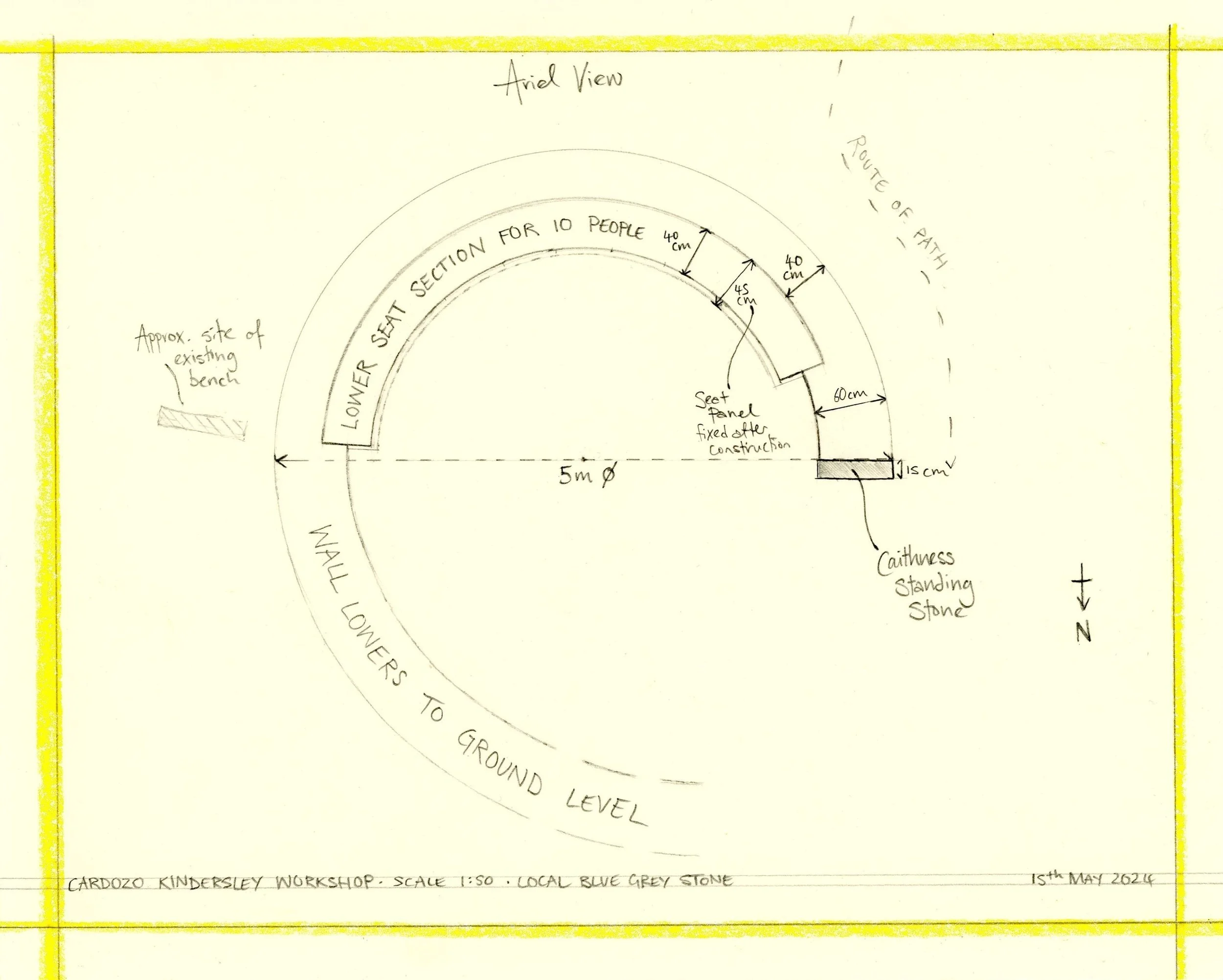
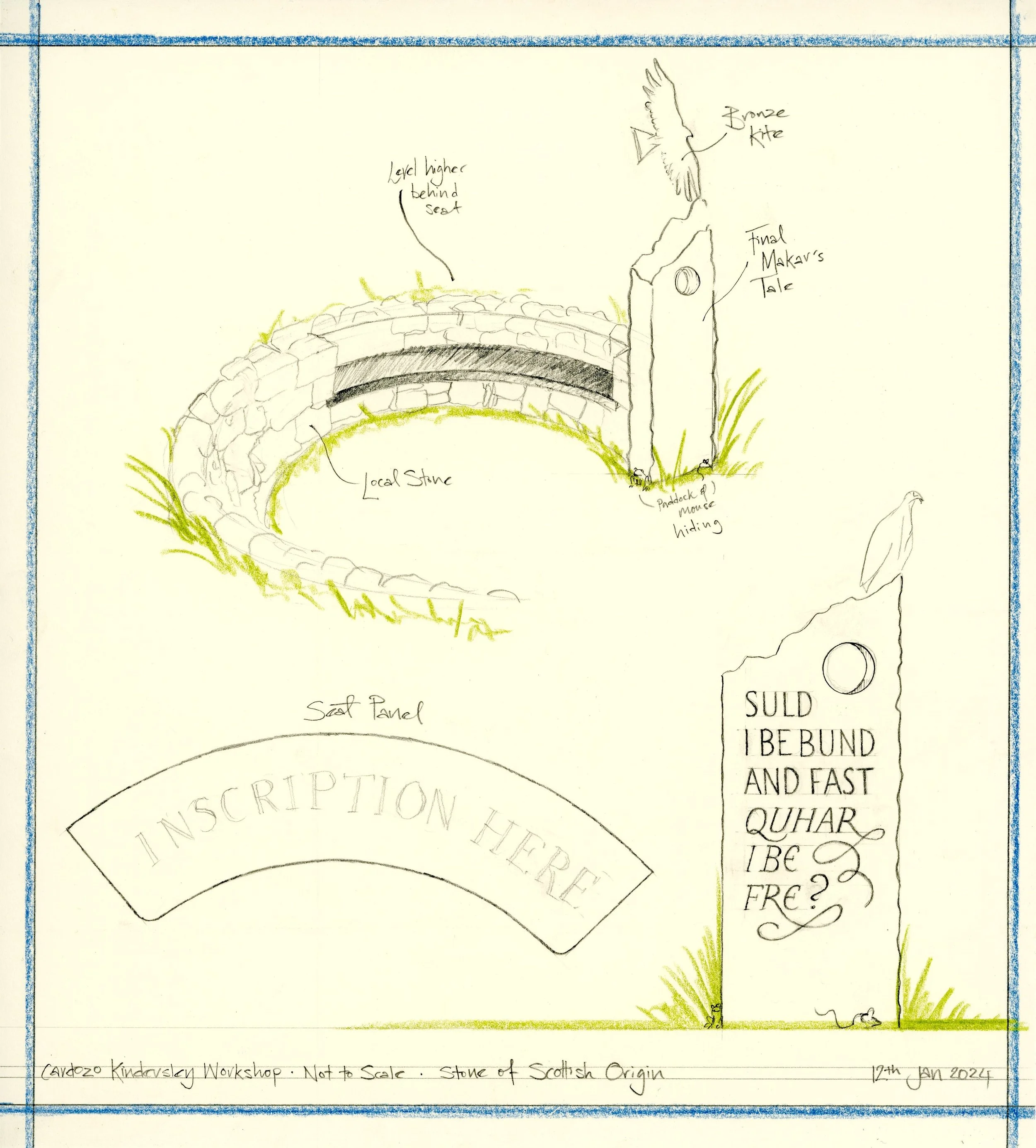
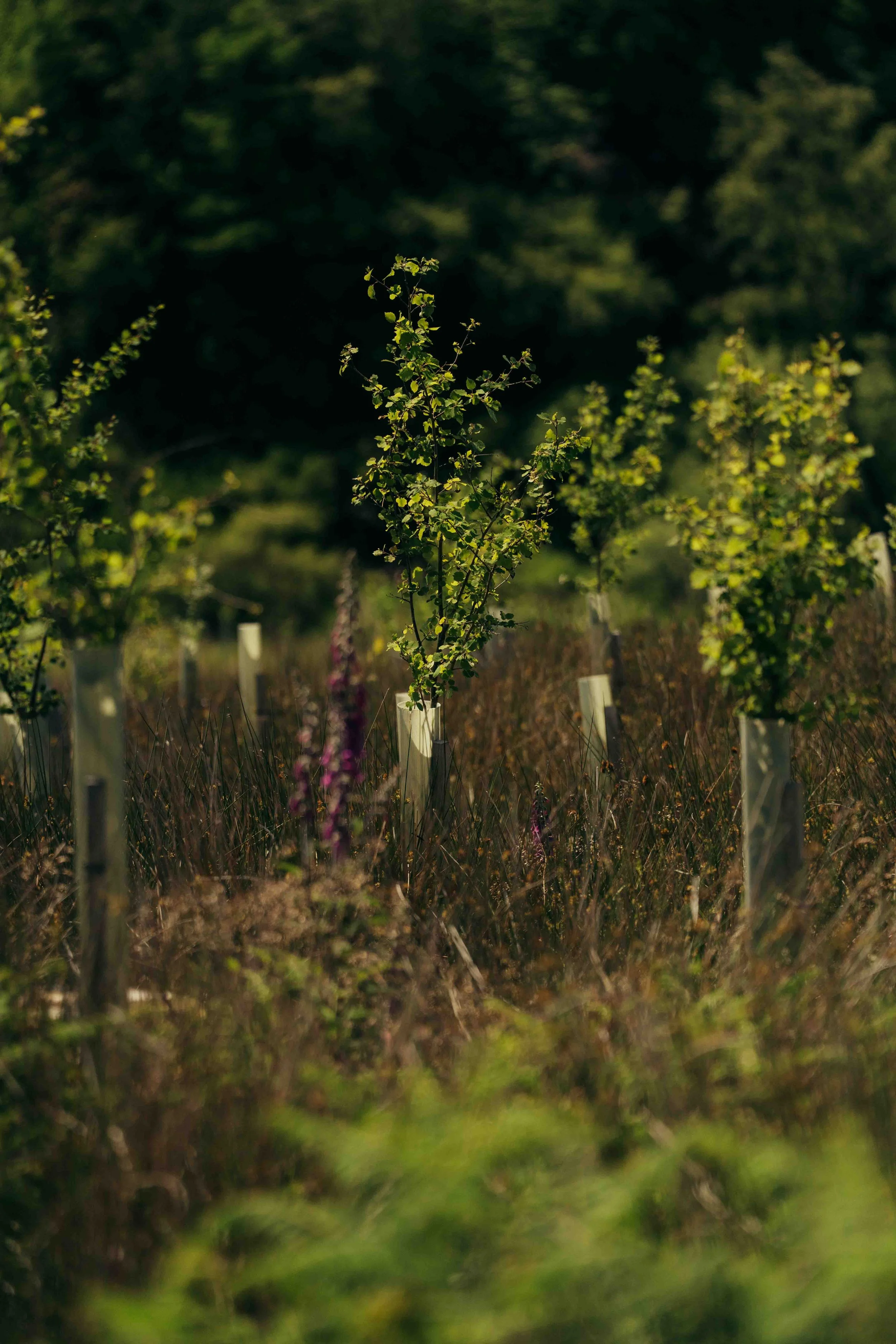
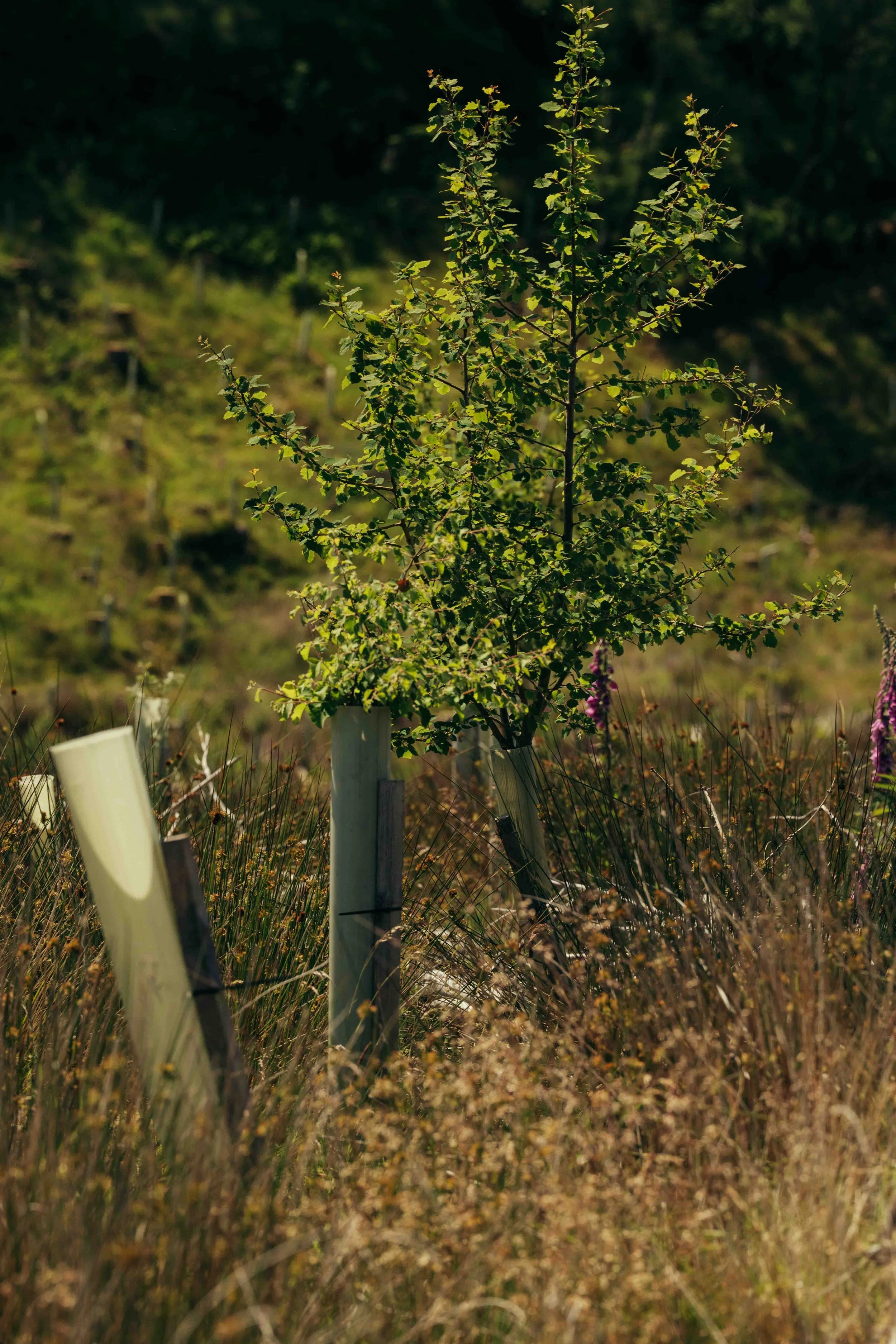
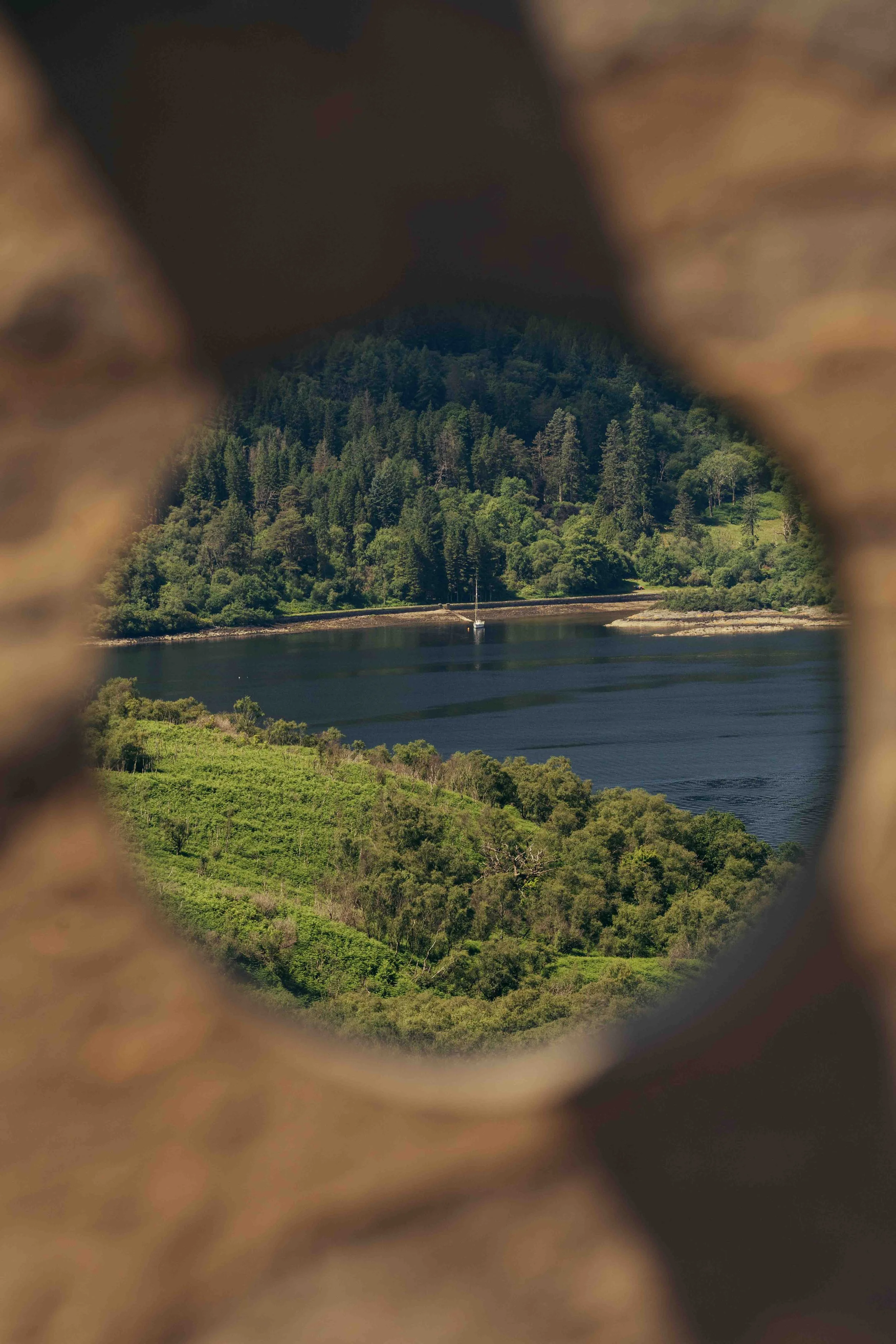
Lida and Serena refined the concept, developing a trail of 13 hidden fables for families and individuals to discover in the newly planted forest, leading to the last fable, placed on a beautiful stone seat overlooking the Kyles of Bute.
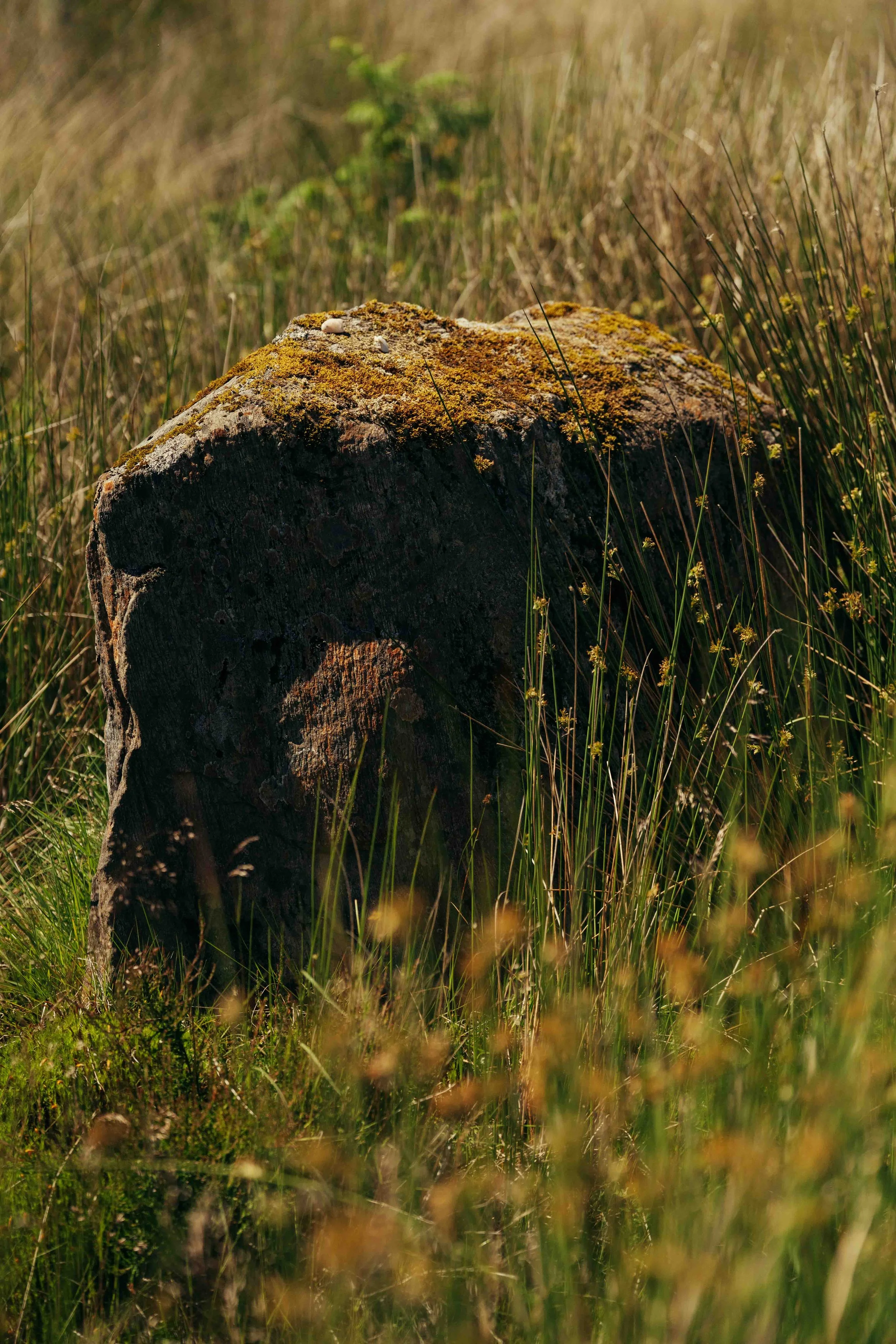
Johnny’s Way is a work in progress, currently we have two stones in place, and hope to complete by 2030. Look out for updates here and on social media.
Cardozo Kindersley Workshop
The concept of Johnny’s Way began in 2022…
In 2022 & 2023 Johnny’s daughter Cathleen, spent time on Bute with Lida, Roxy and Vince Kindersley from the Cardozo Kindersley Workshop. The idea of an art trail was born following a walk in the newly planted forest at the north end of the island, and a visit to Mount Stuart, where they found carved marble plinths depicting what appeared to be Aesop's Fables.
Roxy, Lida and Vince returned from Bute to Cambridge with a more concrete idea of the art trail, but the final concept was not fully formed.
During dinner with Jackie Tasioulas, who specialises in the works of medieval poets, Jackie brought to Lida’s attention the tales of Robert Henryson, a 15th-century Scottish poet. One of the great ‘makars’ of medieval Scotland, Henryson’s thirteen moral fables are written in Older Scots and feature the creatures of Scotland, including the wolves who still stalked the landscape.
![BUTE SEAT 2024 [side view] (1).jpg](https://images.squarespace-cdn.com/content/v1/68231cf650657e16590ccfd6/18d1b91f-cfc4-47e6-98bc-ec4eaa30a4a0/BUTE+SEAT+2024+%5Bside+view%5D+%281%29.jpg)
“Why would you use Aesop when Scottish fables were born across the water”.
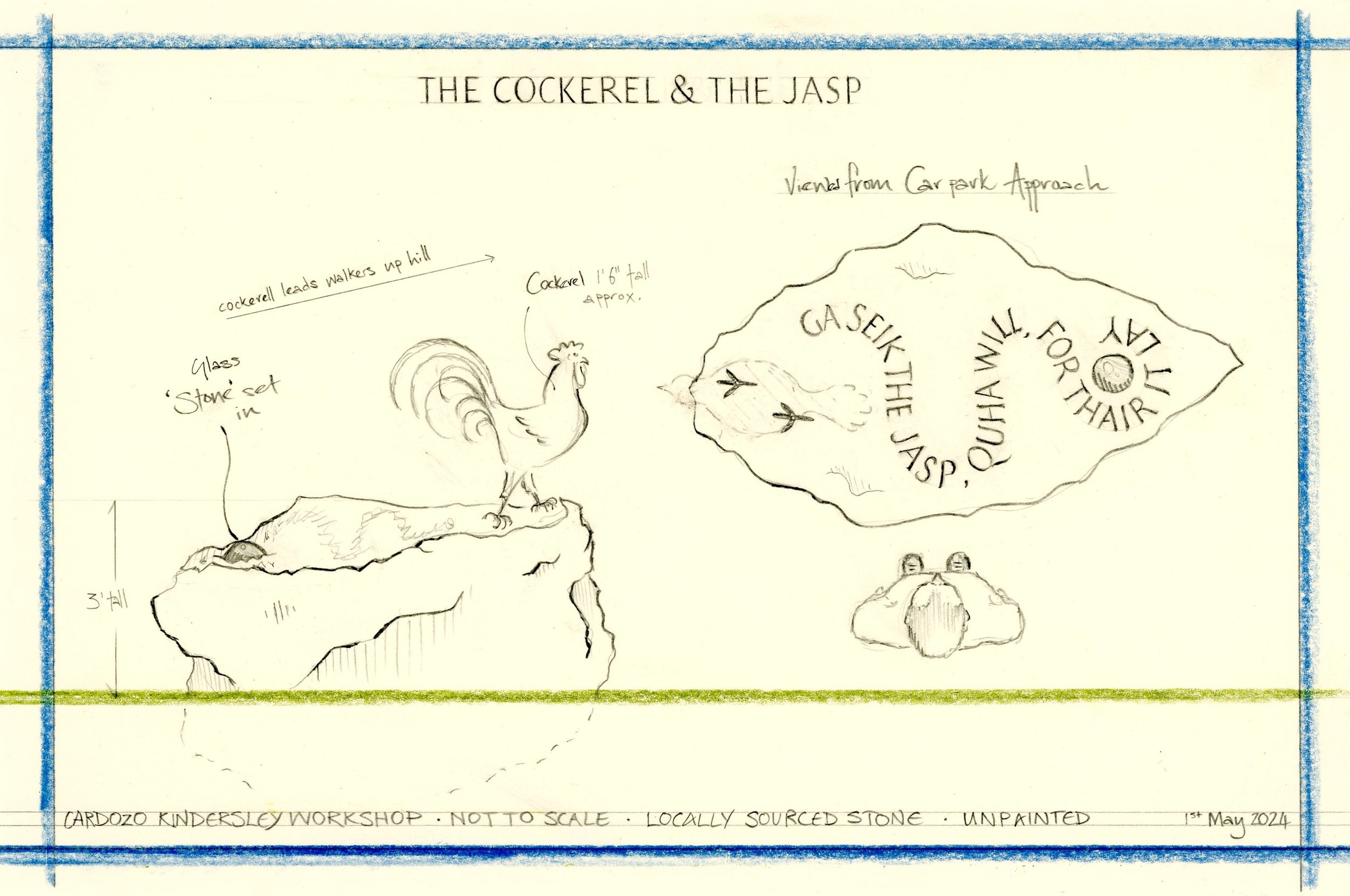
Each fable focuses on a different creature, accompanied by a moral lesson, fitting perfectly with the idea of woodland creatures hiding in the new forest, waiting to be found. The revitalisation of an Older Scots Poet was in keeping with Johnny’s Way.
At the start of 2024, the first drawings were being drafted, and by summer 2024, carving had started.
In 2025, two stones were installed.

Robert Henryson
“is one of the great ‘makars’, or poets, of medieval Scotland. A lowland Scot, he is a mysterious figure, but it seems likely that he was enrolled at the University of Glasgow in 1462 and died in Dunfermline no later than 1505. His poetry is one of the finest literary achievements of the Middle Ages, the author and critic C.S. Lewis claiming that there was no English writer in the fifteenth century who could compete with Henryson and his fellow Scots makars.
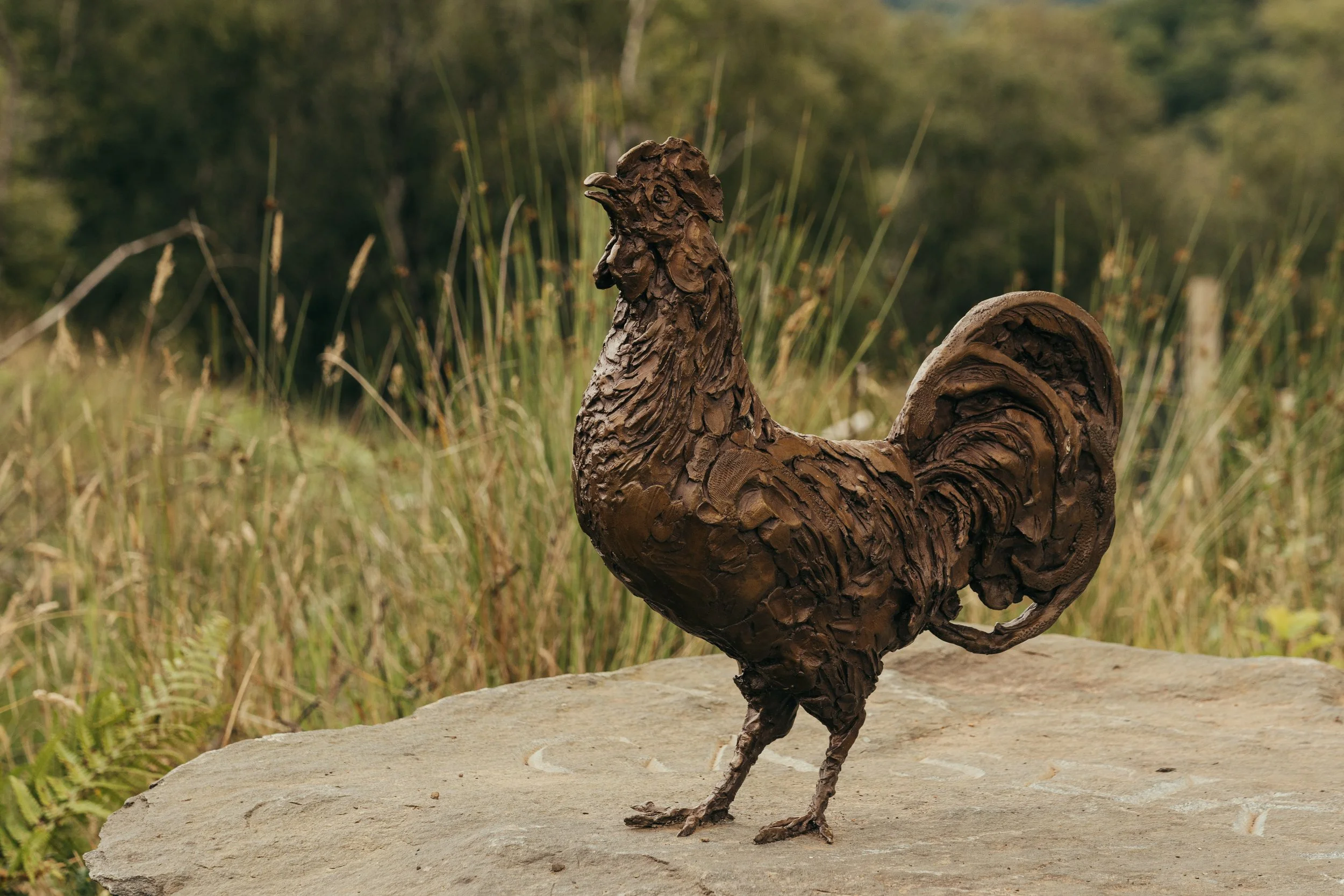
The thirteen animal tales that make up the Fables are perhaps Henryson’s best known works. In them we find a world in which bird-brained roosters strut in the farmyard, where lions and unicorns are brought to life from the heraldry of medieval Scotland, and where little mice have nests ‘as warm as wool’. The fables also depict sheep literally ‘fleeced’ in a world in which the wolves and foxes have a natural advantage and where an end to the troubles of small creatures most usually takes the form of a swift bird of prey.
Fables need to have a moral and each tale is provided with one. However, there is often a mismatch between the story and its moralising conclusion. The world, it seems, cannot be so neatly tied up and explained. For Henryson nothing ‘is’, it only ‘may be’, as he offers an explicit invitation to challenge the very moral he is delivering. In his hands, the animal fable disrupts the natural order and the reader is asked to question the easy answers. The very first story instructs us to ‘go seek’ the jewel that the Cock rejects, and find our own wisdom.
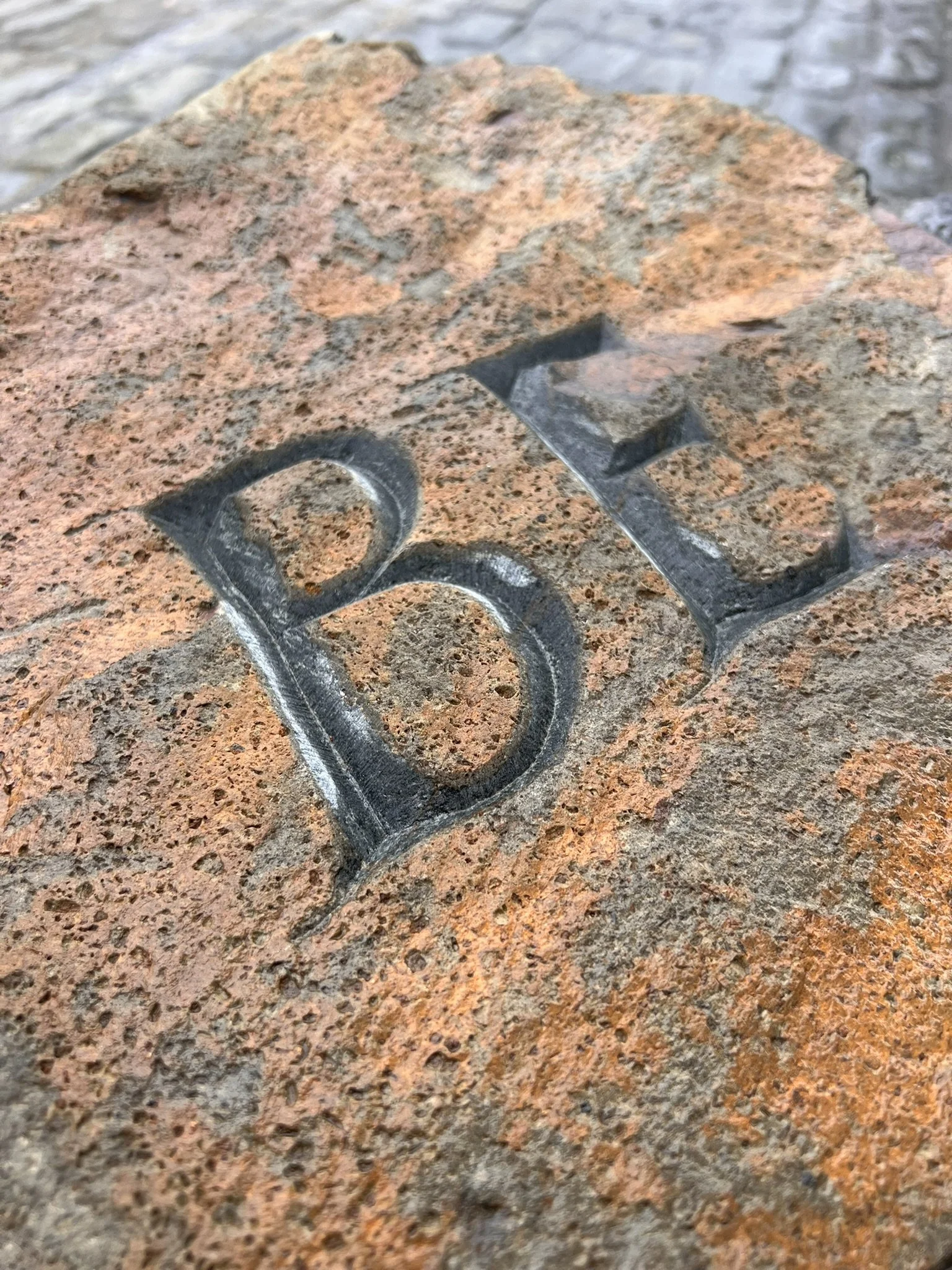
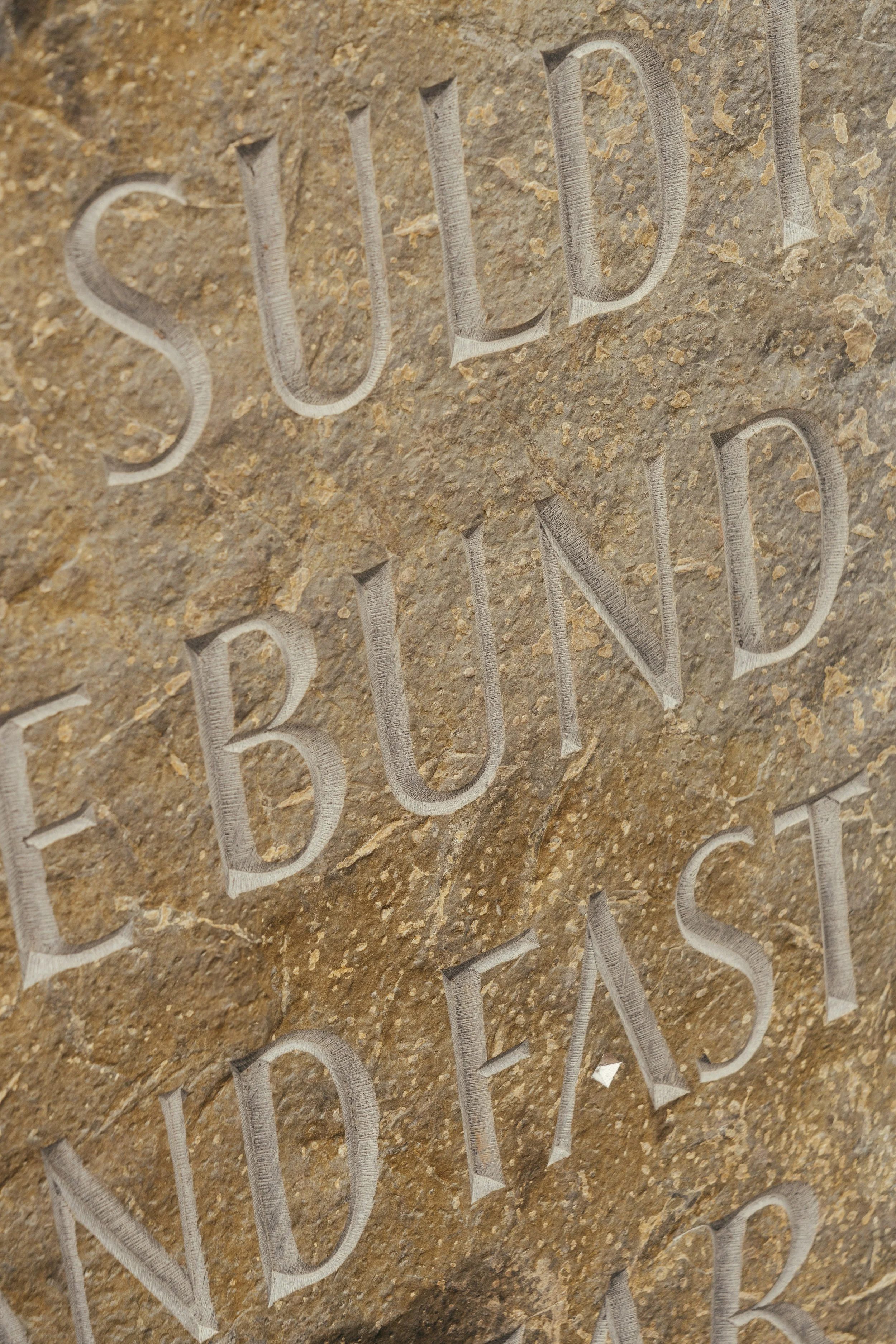
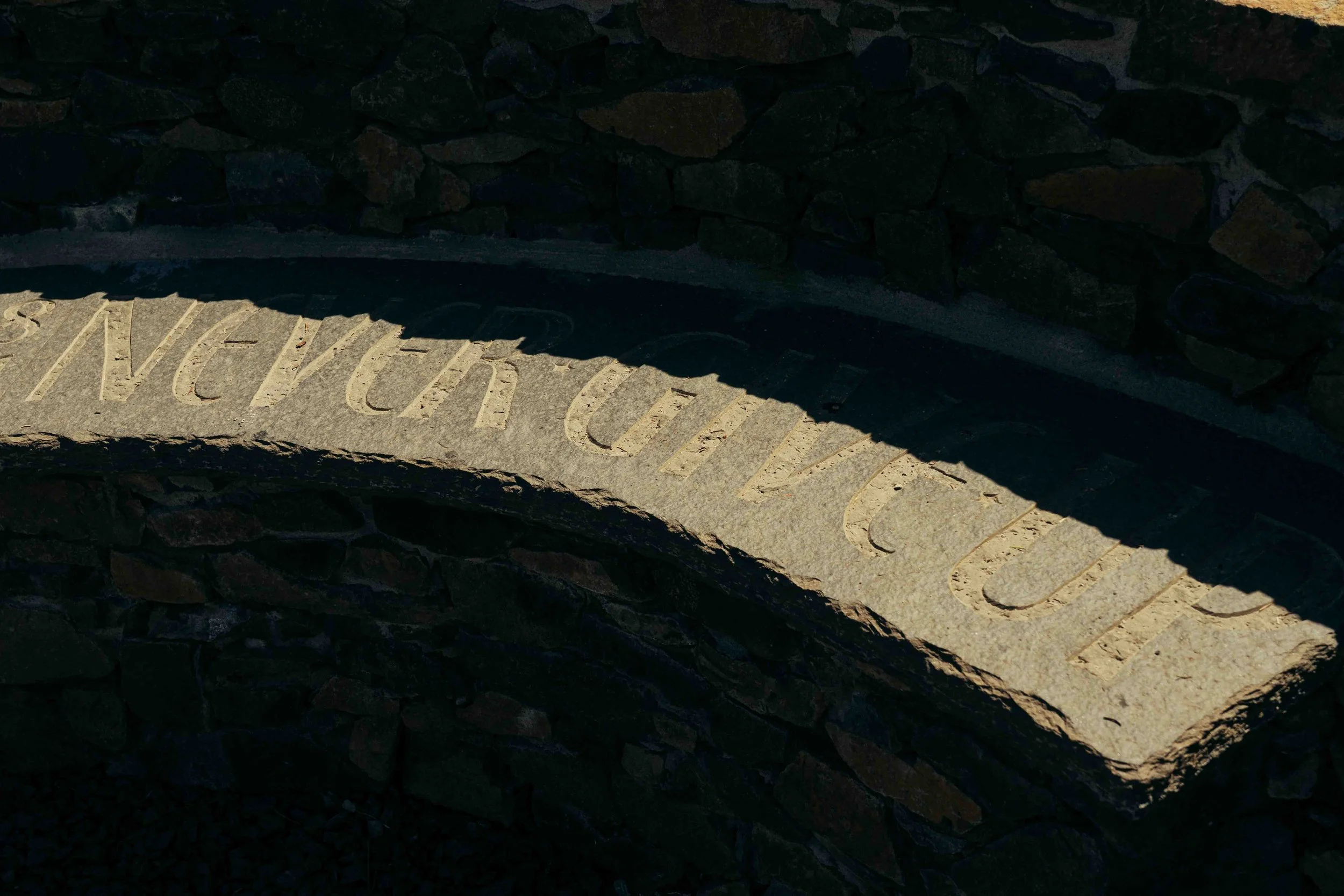
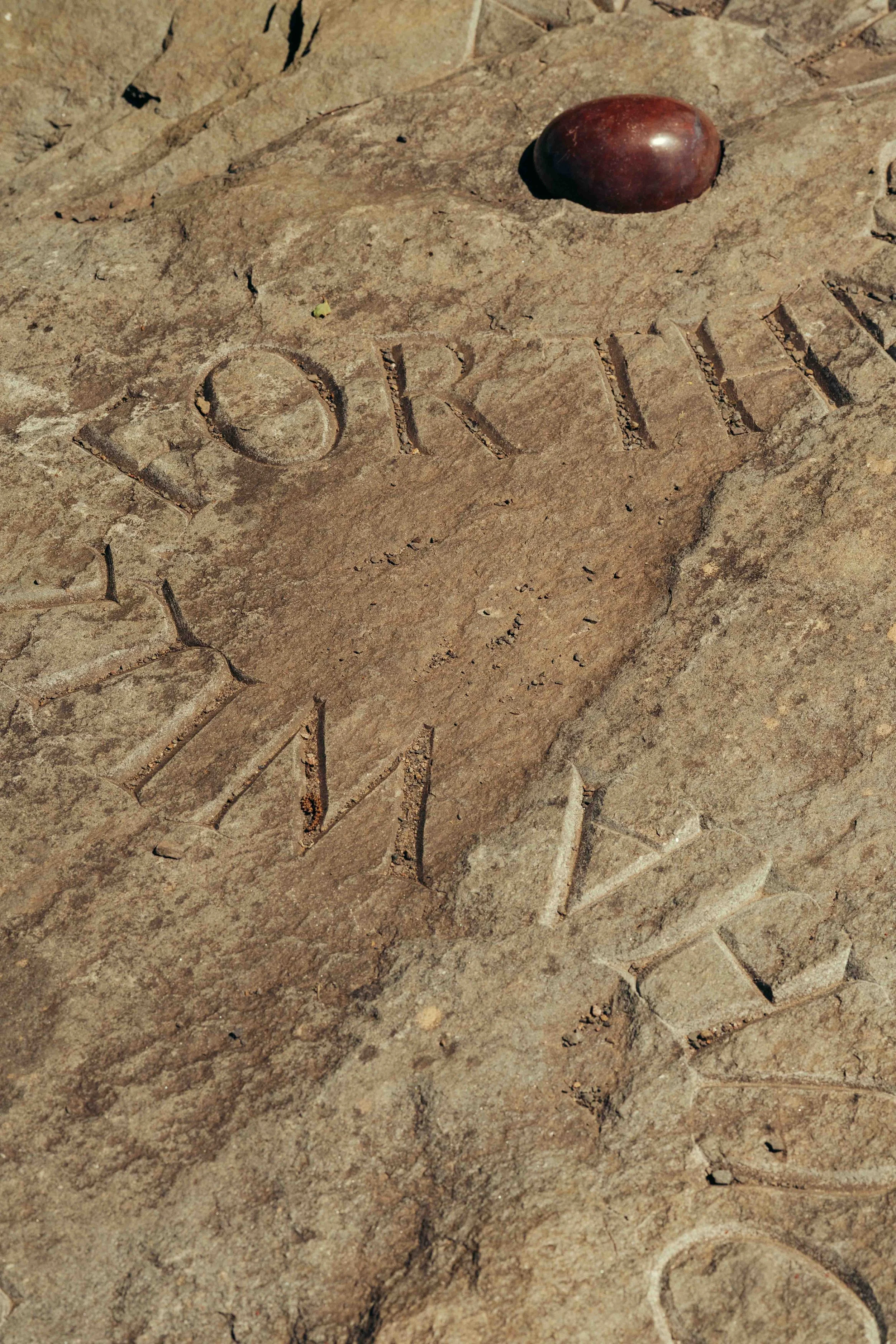
Each of the stones features a quotation from one of the Fables in the original Scots. The largely oral culture of medieval Scotland means that a great deal of literature has been lost and monuments in Older Scots are very rare. Johnny’s Way is, therefore, one of the few monumental works in the world to feature the language of lowland Scotland as it was written in the Middle Ages.”
Professor Jaqueline Tasioulas
Cambridge University
DISCOVER Henrysons’ Fables
Seamus Heaney provides a translation of some of the fables in Robert Henryson: The Testament of Cresseid and Seven Fables (Faber & Faber, 2010).
Henryson’s fables in the original Scots can be found in J.A. Tasioulas ed. The Makars (Canongate, 1999)
Special Thanks
Special thanks to Billy Shields from the Bute Conservation Trust, who has contributed extensive time and expertise to Cathleen and Roxy on the development of the trail, and working with the landscape.
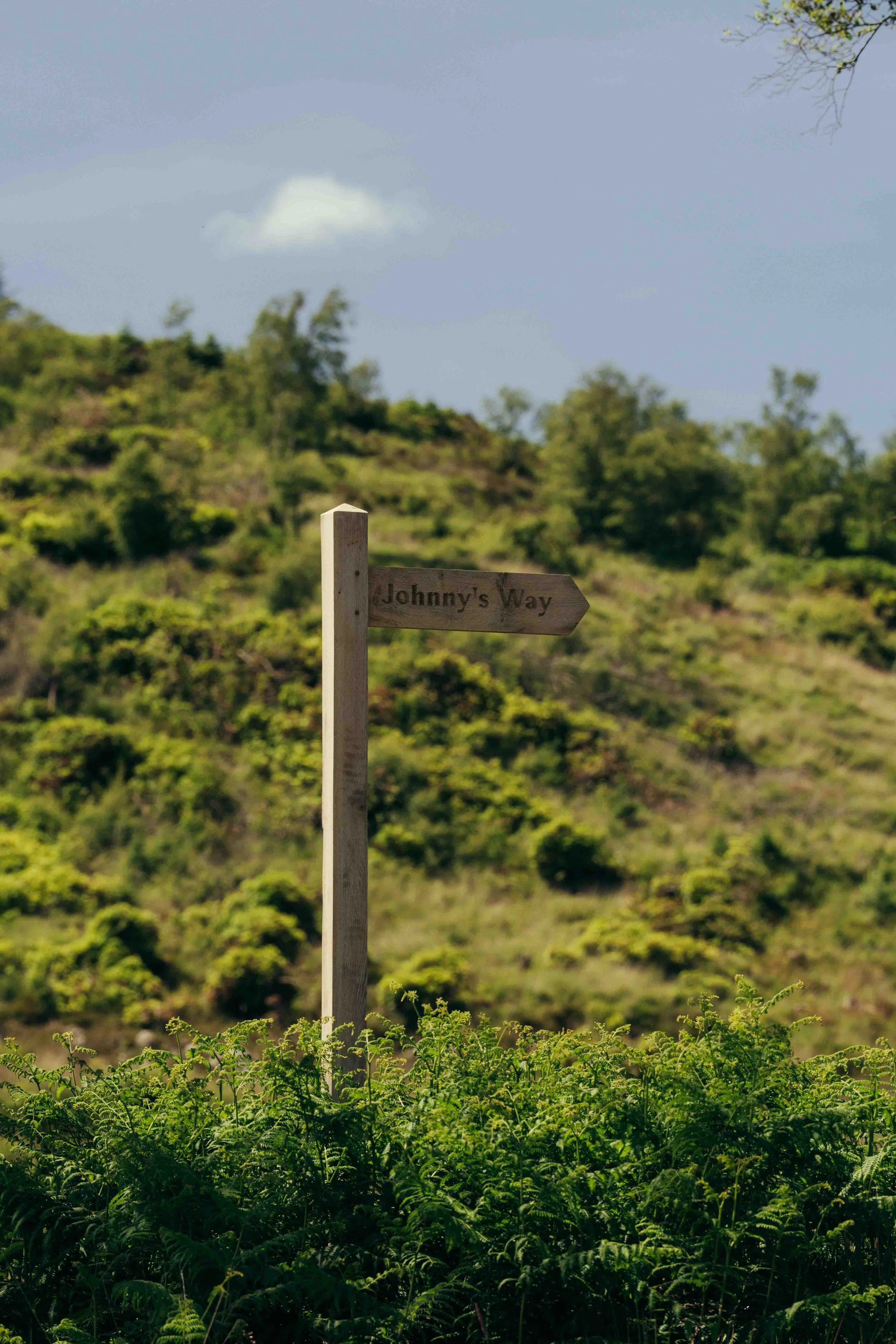
Special thanks to the Conservation Trust and Ray Beverley for donating oak posts and elm wood for our wayfinding signs.
To Stewart Strathie Senior & Junior, and the Ambrisbeg Quarry, who have supplied local stones, built the trail and the seat for all to enjoy.
To Richard Whitcomb, Samuel Lindsay and Amie Dow from the Bute Community Forest for their time, knowledge, and for helping us develop beautiful walks on Bute.
To Blake Hatfield at Stanley Wright and Katie Warden at Mount Stuart Trust for their time and expertise in forestry.
Finally, to Lida, Roxy, Vince and Jackie, without their creativity, the trail would not exist.
find your way
Use the links below to download the route map and view the best parking spot on Google Maps. You can find additional details in our FAQs.